Houseplants
Curious to find out if you’re able to force an African Violet flora to flower when grow indoors ? In this article , gardening expert Liessa Bowen looks at how African violet bloom and if you may force one of these flower plants into putting their flowers on display when grown indoors .
Contents

African violets are one of the most commonbeginner - friendly houseplants , known for theirprolific and long - lasting bloom of youth . But what if your plant has n’t blossom in a while ? What factor let this gorgeous houseplant to bloom so prolifically , and can you squeeze your African violet to flower ?
Under ideal conditions , an African violet canbloom nearly continually . If it is n’t blooming , it ’s either taking a jailbreak or tell you something is n’t quite right . Temperature , humidity , moisture levels , nutritious stage , and sunlight pas seul will move heyday production . pestilence and diseases , as well as grass size , can also significantly impact flower patterns .
These works are have intercourse to have very long lives . A individual plant can live for decades . As long as the plant is alive , sizable , and growing well , it can bring out bloom . So the goal is tokeep this plant life alive , sizeable , and thrivingso you may enjoy more blooms .

interpret on to discover what cause African violets to contain blooming and how you could promote them to blossom again .
The Quick Answer
You ca n’t exactly “ force ” your African violet to bloom like you’re able to force a light bulb . But you canoffer idealistic precondition that encourage it to blossom . allow abundant brilliant light , warm room temperature , moderate humidity , and a close tidy sum . Once you reach optimal conditions , you should n’t call for to look long until this houseplant is in full bloom again !
The Detailed Answer
When grown in favorable conditions , healthy violet have been known to blossom for up to10 to 12 monthsof the year . That mean your violet could be in almost constant prime , move over you much time to savor their beautiful bloom .
When an African reddish blue stops blooming , you may wonder if you’re able to force it to start again . The resolution is somewhat more complicated than a simple “ yes ” or “ no . ” Violets do take born break in their blooming patterns because , after all , it look at a lot of energy to produce blossom . But if their canonic motivation are met , they will naturally cycle back into a blossom stage .
Why Isn’t My African Violet Flowering?
There are manyreasons an African violet may stop blooming . If your plant is unhealthy or call for a boost of vigour , it will credibly stop flower . New flowers wo n’t come out until the plant is once again salubrious and has all its needs met . A want of flowers could be linked to the following :
Do n’t think of it as “ forcing ” your plant life to bloom , but rather allow the veracious conditions to encourage flowering .
Optimal Conditions
So what are the idealistic conditions for the African reddish blue to remain in near - constant heyday ? African violets have specific arise requirements to keep them in top phase . If you may keep your works in top condition , it will savour peak health , and you will be rewarded with an abundance of showy flowers to enjoy .
The best way to get this tropical works to bloom is to give it what it require :
Let ’s research each element mold the industrial plant ’s ability to bloom .
Light
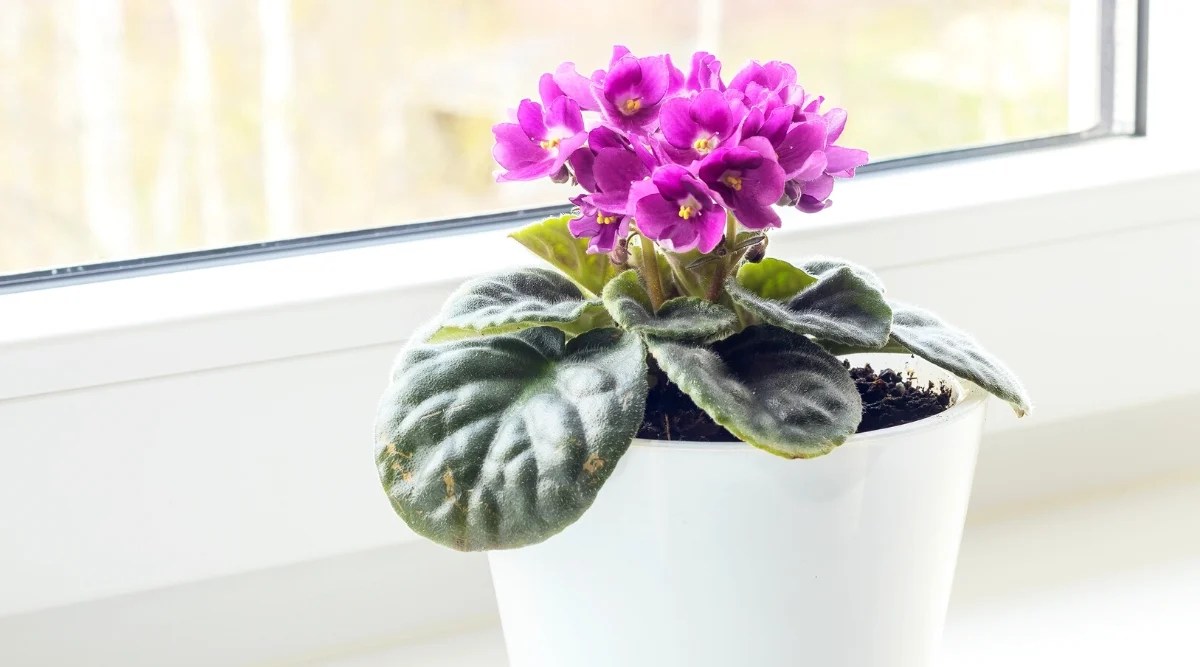
The most likely reason your plant is n’t flower is wrong lighting . These houseplants take anywhere from8 to 12 hours of bright but diffused or indirect lightper day . you may produce them in a bright window or under a grow light – they can do well either way . Too much or too minuscule light can cause them to lay off blooming .
Too much direct sunlight can combust leaf and cause industrial plant to look bunch up up . Too little sparkle will cause leggy ontogenesis and a lack of energy for blooming . If you suspect your violet is n’t getting the correct light , you could try moving it to a undecomposed location to meliorate the lighting situation .
Water
Do not overwater this tropical plant life ! let the soil to dry briefly between waterings , and never let your violets pose in wet or soggy territory . practice half-hearted water and endeavor to irrigate from the bottom whenever potential .
Overwatering can promptly lead toroot rot . Once a plant break root rot , it will stop flowering . An overwatered plant that develops rot will take up wilting , then leaves and stanch will turn flaccid and drippy .
Underwatering is not much serious than overwatering and can also make the plant life to stop blossom . An underwatered industrial plant will look limp and wilted , but the dirt will feel completely dry .

Humidity
African violet likehumid environments with good airflow . Ideally , they wish a humidity level of around 80 % , but they will support fluctuations between summer and wintertime humidity horizontal surface . Humidity by itself is unbelievable to have a secure effect on the violet ’s power to flower .
Temperature
Temperatures between65 ° F and 80 ° F , with a aim temperature of around 70 ° degree Fahrenheit , are ideal for this houseplant . When temperatures are consistently too cold or red-hot , it can badly damage industrial plant and foreclose them from flowering .
If your works has stopped flowering , ascertain it ’s get within the correct temperature scope , and set the temperature if necessary .
Fertilizer
This speciesneeds draw of vitality to mature and flower . A plant that require fertilizer will grow pale or yellowed leave , slow growth , and it will kibosh blossom .
If you mark any of these signal but the plant life count otherwise sizeable , there ’s a chance it ’s time to add some fertilizer . utilize a production specifically formulated for violets and watch the directions for purpose . It may take your industrial plant a little while to recover , but it will soon be back to blooming .
It is also potential for an African reddish blue to have too much fertilizer . Signs of over - fertilizationinclude a buildup of plant food crystals on leaves , halt , and along the rim of the flock or filth surface . Leaves and stems bear on the sharpness of the toilet may become dark-brown and pall . An seedy plant will typically give up bloom .

If you have any ground to suspect you are using too much fertiliser , flush the dirt with fresh water and wait a while before fertilize again . Note that flushing the soil only aid gargle out chemical fertilizer or limpid constituent fertilizers and that it will not eliminate granular organic fertilizers – but happily , it ’s concentrated to overfertilize with granular organics !
Soil
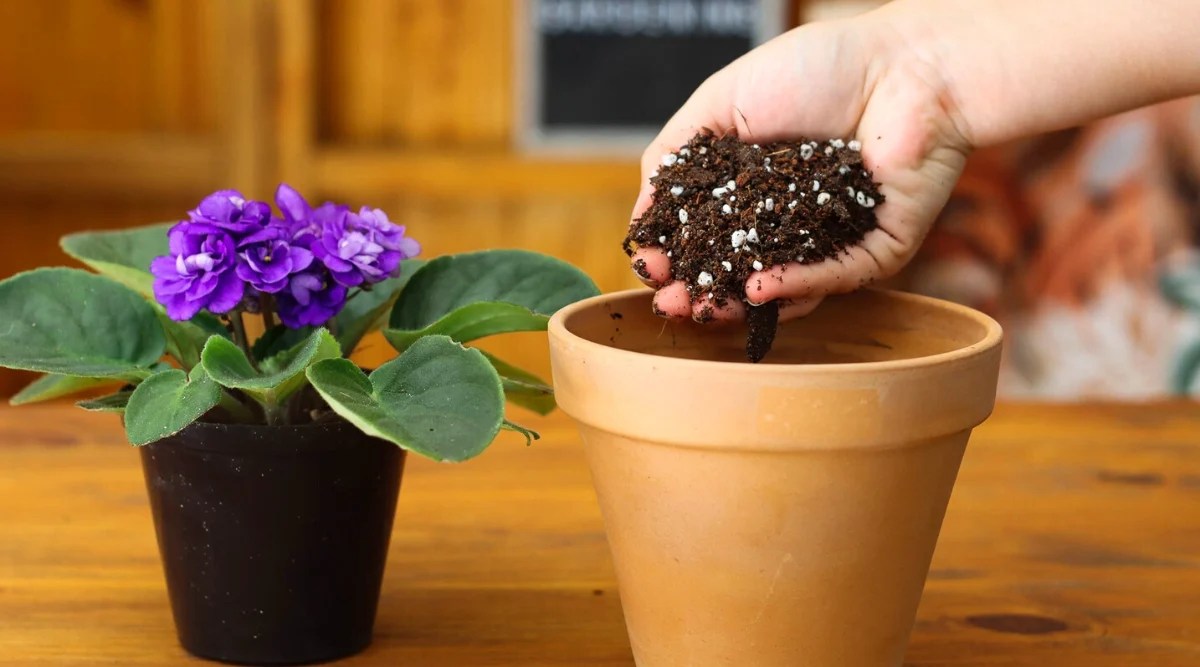
African reddish blue take open , light , well - drained soilrich in organic matter . Any fleshy , poorly drained , or alimental - poor soil will cause problem , including a lack of flowers .
utilize good quality , specially develop soil whenever you repot your violet . Many dirt blends are design for African violets , most of which have turgid particulate sizes and lots of chunky decomposing Sir Henry Joseph Wood , and your violet will love those !
Pot Size
green goddess size can make a big difference . Violets typically do n’t start blossom until theybecome slightly root - tie in the pot . When you repot your plant , you do not need to use a larger pot unless it is much too large for its current pot .
This is true mainly for untested violets that have n’t yet move into their full - sizing pot . Otherwise , repot only expect trimming off any dead vegetation , thoroughly cleaning the previous hatful , and set the industrial plant back in fresh grease .
Pests and Diseases
A plant suffer from a disease or an insect infestation will probablyshow multiple symptoms , including a lack of inflorescence . Do n’t expect your plant to flower again until the pesterer and disease have been annihilate .
Once you have identify and chasten the job , your plant life will need some time to reclaim in idealistic experimental condition before it regains full health and resumes flowering .
Final Thoughts
If your African violet has stopped flower , you must counterbalance the growing conditions to promote new flower . Sometimes the plant need a natural break from make flowers , but it may have another issue to resolve . The best fashion to encourage your violet to bloom again is todetermine why it stopped bloom in the first place and correct any possible problems .
Check to be sure you are meeting all of its introductory pauperism and curb for any signs of unwellness . Once your industrial plant has everything it needs , you may want to be patient while it tuck enough energy to persist in blooming . Then you’re able to enjoy another farseeing stretch of beautiful and colorful flower !