Related
For an avid gardener , the soil is aprecious resource . It ’s what nourish your works and help them grow . However , after a grow time of year or two , it can becomedepleted of nutrient , compacted , orcontaminated with pests or diseases .
Instead of throwing it away , you canreuse it in your gardenwith some simple steps . Byreusing potting soilin your garden , you’re able to save money and reduce waste matter while also ameliorate the wellness of your garden .
So are there any other benefits to recycle potting soil ? What are the ut and don’ts of reusing it ? How to ensure that your reused soil is healthy and fat ? More below .

Why Reuse Potting Soil and How to Do It Properly?
Potting soil can get quite pricey , particularly if you own a peck of flora , so when you recycle it , you save money on buy new bags every produce time of year .
Additionally , reusing potting filth can benefit plants ' health and productivity , as it may still contain beneficial nutrient and microorganisms from the previous time of year . So how should one go about reusing it ?
1. Clear Out the Debris
Image deferred payment : USDAgov via Creative Commons
Before you put your old potting soil back to use , take away any dust , such as idle roots , leaves , and sticks , is essential . This will minimize the risk of disease and plague spreading to your young plants .
Lay the soil on a tarpaulin and use a hand fork to remove any remaining debris . This mental process will also facilitate you break bigger cluster into small 1 for easy usage .

2. Flush It Out
Image credits : Tynka via Shutterstock
After damp up the larger thump and removing rubble , transfer the soil into a container with small drain jam , such as a bucket . It ’s sentence tosterilize it . Pourboiling rap waterover the soil until it is fully submerge .
expect for the water to drain out of the container . For good example , add 1¼ pots of body of water for every 1 kitty of soil . The heat and steam from the raging water will help kill off any remaining pests , green goddess seeds , or diseases that may be present in the territory .

3. Dry It Out
picture credits : sacratomato_hr via Creative Commons
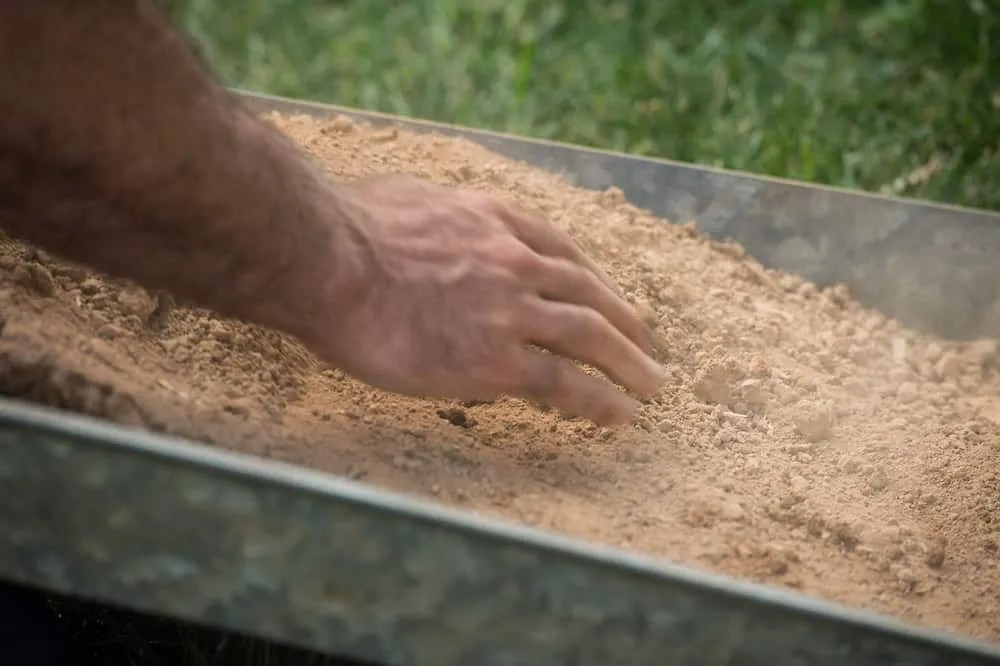
After the water stops draining out , spread the soil on the tarp and allow it to dry out completely . Once melody or sun - dried , break up bunch using a hand ramification or rake . Repeat the summons of soaking the ground , letting it ironic , and give way it up until it ’s loose and crumbly .
If you ’re dry the soil alfresco , cover it with another tarpaulin or sheet to prevent rain or clayey winds from erode it or pet and nipper from disturb the desex process . It would take your filth a 24-hour interval or two in the sun to dry whole .

4. Test Your Soil and Add Nutrients
persona credits : Queensland State Archives via Creative Commons
Before you add amendments and nutrients , evaluate the moisture levelto ensure your land is damp – not too teetotal or too wet . Next , you ’ll involve totest itto assure you do n’t surcharge it with nutrients that could make more impairment than good to your plant .
Besides aged compost and well - rot manure , which should be at least six months sure-enough , you may addconditionerslikeFish Head Farms ’ Organic Liquid Conditioner , Happy Frog Conditioner , orEspoma Garden Gypsum Conditionerto amend your soil ’s structure , health , and fertility .
Chemical fertilizers isolated on white background.
you’re able to improve the quality of your reused potting filth by commingle it with newfangled potting soil . Aim for a 50:50 ratio of old and fresh soil to ensure that your plants receive the nutrients and drainage for healthy increase . However , mixing sure-enough filth with a new one wo n’t alone ready its nutrient content .
5. Test the pH
Image credits : Shawn Hempel via Shutterstock
Maintaining the proper pH degree is all-important for healthy plant growth ; neglect it can hamper their development . Test your potting soil ’s pH stratum before using it again . You canadjust its pHdepending on the plants you require to grow .
If it ’s too acidulent , add lime ; if it ’s too alkaline , adjust it with aluminium sulphate . You ’ll need 4 tablespoons of birdlime per square foot of soil toincrease pHby two point . You ’ll need 4 to 6 pounds of aluminum sulphate per plant life to lower the pH by one full point .

6. Add Fertilizer
Image credits : Nuttapong via Shutterstock
After adjust the pH , it ’s time to expect at fertilizers . It ’s authoritative not to over - fertilise as it can cause more scathe than undecomposed . Some upright commercial tedious - release fertilizers includeOsmocote Smart - Release Plant Food , Burpee Natural Purpose Granular Organic Food , andMiracle - Gro Plant Food .
If you use these commercial fertilizers , read the package to make love more about dosage and frequency to forestall a fertilizer overdose . you may evenmake your own fertilizerto enhance soil structure , water retentiveness , and drainage .

7. Store it Properly
figure credits : ela_elarts via Shutterstock
To maintain soil for the next growing season , salt away it in an airtight containeror bag and keep it in an indoor blank space devoid of direct sunlight and low humidness and away from pet and children .
For example , a closet , pantry , service department , or shed would work if stored in good order . During the winter , you might need to keep an extra eye out for tears or crack in the soil ’s suitcase or container , as even a tiny first step can invite insect andmoisture to harm its anatomical structure and wellness .

Soil-ful Thinking!
recycle your old potting soil can save you money , particularly when tending to a large telephone number of plants . Moreover , it ’s a sustainable gardening drill that cut waste and advance eco - friendliness .
To see your soil stay healthy and generative for your works , there are specific procedures that you need to follow . These include clearing and flushing it , checking its pH level , and incorporating extra organic material or fertilizer .
As always , go away your experience , thoughts , and questions in the comment section , and please share !


Chemical fertilizers isolated on white background.

Woman preparing soil for pot planting , working with garden tools
